Steel vs GFRP Rebars: Cost, Durability, and ROI Comparison
“Steel vs GFRP rebars comparison covering cost, durability, corrosion resistance, and ROI. Discover the best alternative to steel for modern construction.”

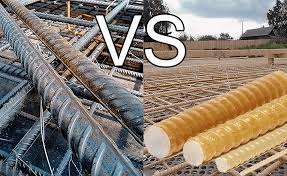
In the world of modern construction, choosing the right reinforcement material is critical for long-term performance and cost efficiency. Traditionally, steel rebars have been the go-to choice. However, GFRP (Glass Fiber Reinforced Polymer) rebars are emerging as a strong alternative, especially in environments where durability and corrosion resistance are vital. In this blog, we compare steel and GFRP rebars across cost, durability, and ROI to help you make an informed decision.
1. Cost Comparison
At first glance, GFRP rebars might appear more expensive than steel. While steel costs in India fluctuate between ₹50–₹70 per kg (depending on market conditions), GFRP rebars are priced around ₹120–₹150 per kg.
However, focusing only on upfront cost can be misleading. GFRP’s long-term benefits, such as corrosion resistance and lower maintenance, make it a cost-effective option over the life of a structure.
2. Durability and Corrosion Resistance
One of the biggest challenges with steel rebars is corrosion. In coastal areas or regions with high humidity, steel rebars can rust, reducing the lifespan of your structure and increasing maintenance costs.
GFRP rebars, on the other hand:
- Are 100% corrosion-resistant
- Can withstand chemical attacks and harsh environmental conditions
- Have a lifespan of over 50 years without significant maintenance
This makes GFRP ideal for bridges, marine structures, water tanks, and industrial constructions where steel can deteriorate quickly.
3. Strength and Weight
- Steel Rebars: High tensile strength but heavy, which increases handling and transportation costs.
- GFRP Rebars: High tensile strength comparable to steel but 50% lighter, making them easier to transport and install.
The lighter weight reduces labor costs and construction time, indirectly lowering overall project expenses.
4. ROI (Return on Investment)
When calculating ROI, it’s essential to consider total project cost over the structure’s lifespan, including maintenance:
Factor Steel GFRP
Initial Material Cost Low Moderate
Installation & Labor High (heavier material) Low (lightweight, easy to handle)
Maintenance High (prone to corrosion) Minimal
Lifespan 30–40 years 50+ years
Overall ROI Moderate High
GFRP rebars offer better ROI for projects where long-term durability, low maintenance, and structural integrity are priorities.
5. Environmental Impact
Sustainable construction is gaining importance. Steel production consumes a lot of energy and contributes to CO2 emissions. GFRP production is more eco-friendly, lightweight, and reduces the carbon footprint of construction projects.
Conclusion
While steel rebars remain popular, GFRP rebars are the future of sustainable, durable construction. They may have a higher initial cost, but their longevity, low maintenance, and high ROI make them an attractive alternative, especially for projects in corrosive environments.
For builders, engineers, and project managers looking to maximize durability and reduce long-term costs, GFRP rebars are a smart investment.
Meta Description (SEO-Friendly):“Compare Steel vs GFRP rebars in terms of cost, durability, and ROI. Discover why GFRP is the future of sustainable, corrosion-resistant construction.”
Suggested Keywords:
More Blogs
.svg)
Frequently Asked Questions

Still have questions? We're here for you! Whether it's about performance, pricing, or project suitability — our team is ready to assist.